
How to Tell That Acupuncture Is Working Even Though You’re Still in Pain
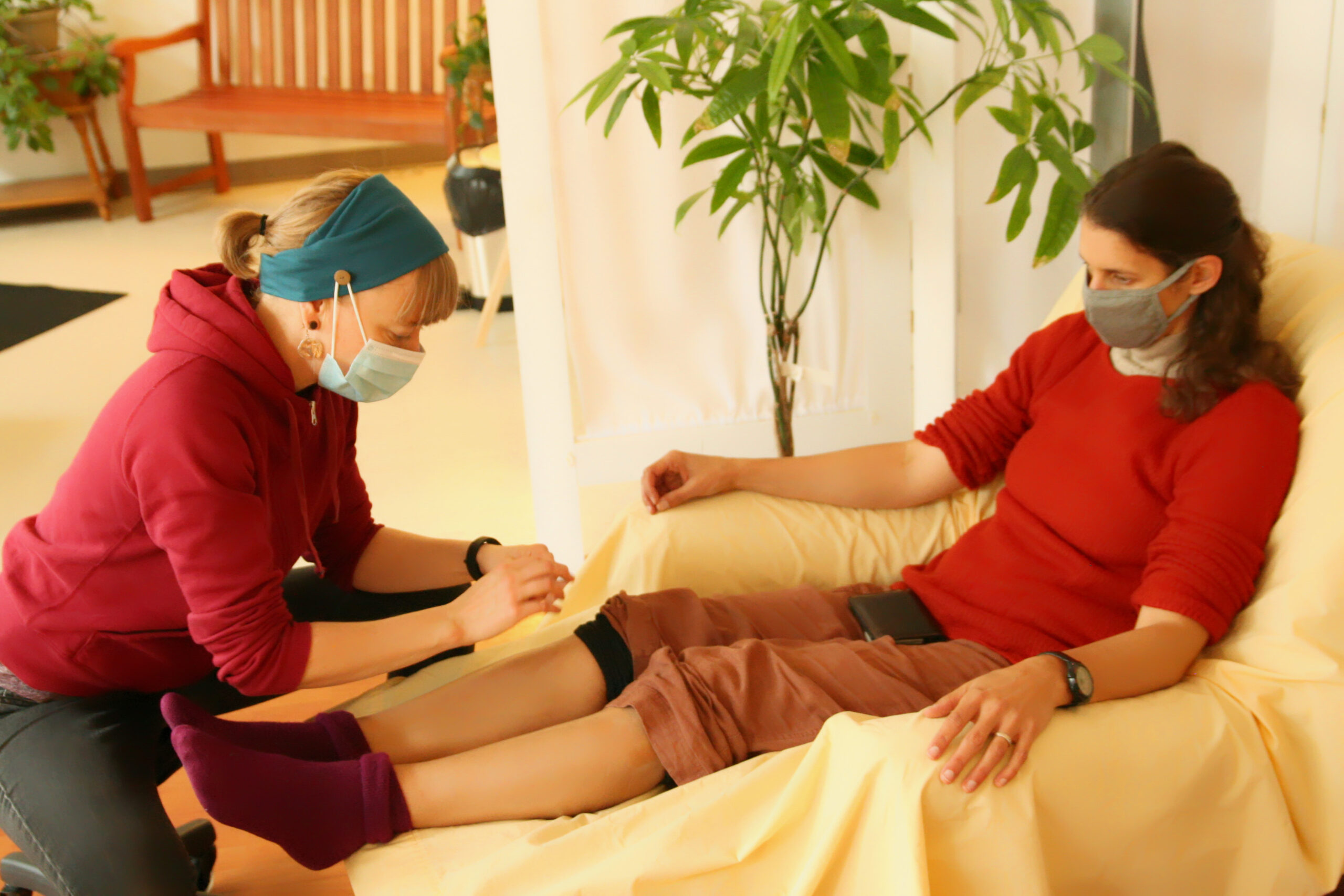
We see many people in intense, long-term chronic pain. Some of these people get immediate and dramatic relief, but it’s much more common for regular treatment to slowly chip away at an issues that are chronic. (That’s why we do our best to make acupuncture as accessible as possible; it may not work if you can’t get enough treatment.) And sometimes progress is less straightforward. How do you tell if acupuncture is working even though you’re still in pain? Here are some questions to ask yourself:
Am I taking less pain meds?
It is surprisingly common for someone to arrive for their second visit, say there’s no improvement, that the pain is just as bad … and then, when we ask about medication it turns out they forgot or didn’t need to take it. We get that it may feel the same in your body, but that’s still progress!
Has the pain changed?
Sometimes acupuncture shrinks the area of the pain before it changes the intensity of the pain. Was the original pain covering a postcard-sized area? Did it shrink to the size of an egg after you started treatment? That’s progress, even if that egg-sized area is still very painful. Likewise, if the pain was very intense all day every day and now you are getting small windows of only milder pain, that’s progress as well.
Am I able to walk further/do more physical activity?
Chronic pain can make our lives a lot smaller, can make going out to the car a struggle or doing the dishes a seemingly impossible task. We frequently see people doing more in their lives, sometimes before we even see the pain itself decrease.
On a related note: did you feel so good after your treatment that you overdid it and re-injured yourself?
We get it, you were in pain for so long and now there’s so many errands and things to do around the house, nevermind the other things you’ve been waiting to do for so long. It’s common for people to get really excited when they feel better, overdo it, and then have the pain set in again. If that happened, and you’re feeling worse now, we wouldn’t necessarily call that “progress” … but it is a sign that the acupuncture helped. Try to take it easy after the next treatment!
Are you sleeping better or longer?
Chronic pain often interferes with sleep. If you’re still in just as much pain during the day, but your sleep is better, then the acupuncture is most likely helping. Keep at it, and hopefully you’ll experience daytime relief too.
Is your mood and focus better?
Chronic pain demands a lot of our brains’ “bandwidth”. Another great thing about acupuncture is that it can help clear up mental fog, forgetfulness, anxiety, or a low mood. It may be, especially at the beginning of treatment, that your mood or focus improves before your pain does.
If you’re wondering if the acupuncture is helping you, or if you have other questions about acupuncture and chronic pain, please get in touch.

Your initial consultation is free. Call or text us to request a free phone call.
Or you can book now.


